bdnews24.com
Home +
  • Bangladesh
  • Politics
  • Campus
  • Education
  • Media
  • Environment
  • Health
  • Fashion
  • People
  • Automobile
  • Aviation
  • World
  • Science
Sport +
  • Sport
  • Cricket
World +
  • Middle East
  • Europe
  • Neighbours
Business & Economy +
  • Business
  • Economy
Features +
  • Opinion
  • Technology
  • Lifestyle
  • Entertainment
  • Hello
  • Stripe
Others +
  • Photos
  • Tube
  • Mobile

June 10, 2026

  • Bangladesh
  • Sport
  • Technology
  • Opinion
  • Politics
bdnews24.com
বাংলা
  • National Election 2026
  • World
  • Opinion
  • Entertainment
  • Lifestyle
  • Economy
  • Business
  • Cricket
  • Recent
bdnews24.com
Home
  • Bangladesh
  • Politics
  • Campus
  • Education
  • Media
  • Environment
  • Health
  • Fashion
  • People
  • Automobile
  • Aviation
  • World
  • Science
Sport
  • Sport
  • Cricket
World
  • Middle East
  • Europe
  • Neighbours
Business &
Economy
  • Business
  • Economy
  • Budget 2025-26
Features
  • Opinion
  • Technology
  • Lifestyle
  • Entertainment
  • Hello
  • Stripe
Others
  • Photos
  • Tube
  • Mobile
  • People

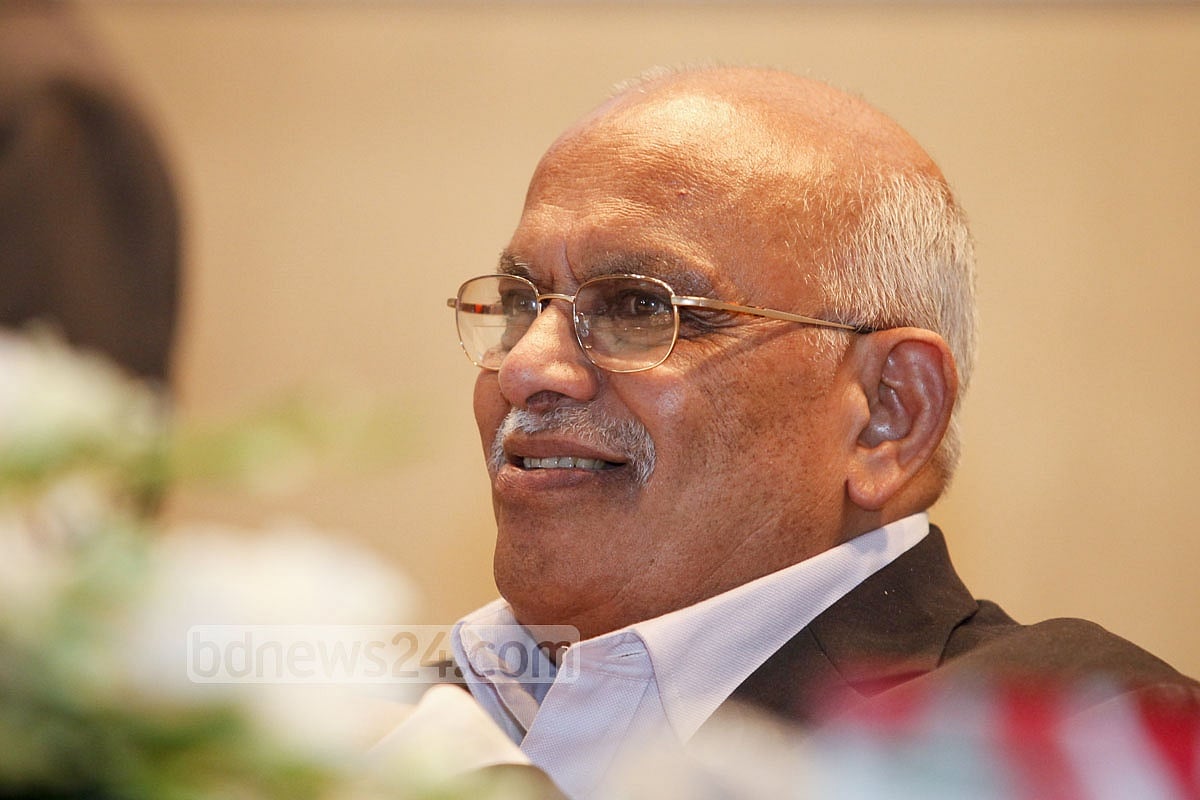
How Gaffar Chowdhury created Ekusher Gaan

Abdul Gaffar Chowdhury, then a student of Dhaka College, went to Dhaka Medical College Hospital to see those injured in the Language Movement of Feb 21, 1952. A line popped up in his mind after he saw the body of martyr Rafiq Uddin Ahmed. The rest is history within history.

Sajidul Haque

bdnews24.com

Published : 19 May 2022, 09:08 PM

Updated : 19 May 2022, 09:08 PM

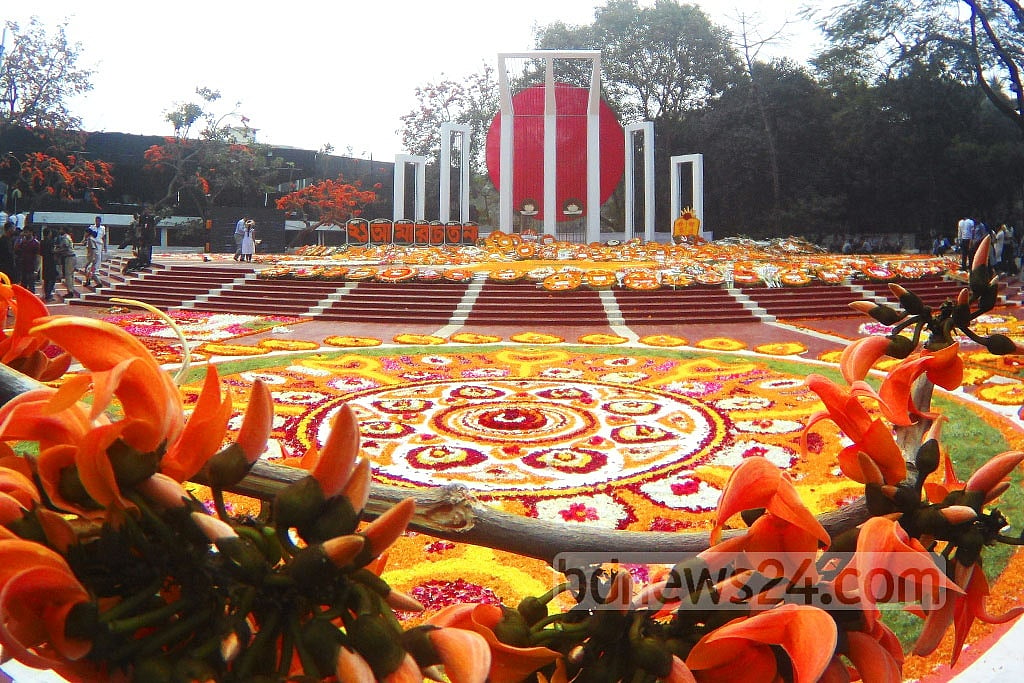
The Central Shaheed Minar in Dhaka looks picturesque with floral designs on International Mother Language Day on Wednesday. Photo: Abdullah Al Momin

Gaffar Chowdhury then went on to write “Ekusher Gaan”, the poem that was turned into a song with the immortal essence of the historic moment. The journalist and columnist died at a hospital in London on Thursday morning.

In an interview, Gaffar recalled the days when the Pakistani rulers were forced to declare Bangla a state language after the bloody movement that sowed the seeds of subsequent struggle for Bangladesh’s independence.

Protesters in the then East Pakistan called a general strike and demonstrations on Feb 21, 1952, defying a government ban on gatherings. Rafiq, Abdul Jabbar, Abul Barkat, Abdus Salam and many others embraced martyrdom in police firing during the protests.

Gaffar said he saw the body of Rafiq, with the head damaged in the firing, at the outpatient department of the hospital.

He said he felt the bloodied body was his brother’s, and the first line came to his mind – “Amar Bhaier Rokte Rangano Ekushey February”, which can be roughly translated to “The 21st of February, incarnadined with the blood of my brother”.

“I don’t take credit for the lyric. I wrote it without knowing.” 

The next day, funerals in absentia for Rafiq and the other martyrs were held, followed by a mass procession of protesters. Gaffar was injured in police attack at that time.   

He then started completing the poem, which was published in a manifesto during a secret meeting in Gendaria.

Abdul Latif was the first to compose a song from the poem. It was sung at the inauguration of a newly elected student union of Dhaka College at Britannia Hall in Gulistan in 1953.

Hasan Hafizur Rahman published the poem in “Ekushey Sangkalan”, a collection of literary works on the Language Movement, but the Pakistani government seized it.

Altaf Mahmud changed the tune of the song later and it was sung with that tune for the first time during the early morning procession to the Shaheed Minar, a monument for the martyrs.

Barefooted, people carry flowers in their hands and the immortal line -- “‘Amar Bhaier Rokte Rangano Ekushey February, Ami Ki Bhulite Pari’ (Can I forget the twenty-first of February/ incarnadined by the blood of my brother?) on their lips while paying tribute to the martyrs every year. The UNESCO in 1999 declared Feb 21 International Mother Language Day.

The song is the third on a BBC list, based on readers’ votes, of the Greatest Bangla Songs of All Time. The first six lines of the poem are sung on Feb 21. The original poem has 30 lines.  

Filmmaker Zahir Rayhan used the song in his “Jibon Theke Neya” in 1970. It has been translated into 15 languages.


Follow bdnews24.com on Google News
Related Stories
Italy probes Ben-Gvir over Gaza flotilla
Read More
Real confirm head coach Arbeloa's exit
Protesters, police clash in Pakistani Kashmir
Islami Bank seeks Tk 100bn from BB
Brazilians to referee World Cup opening match
Read More
Opinion

Anika Tahsin

Misunderstood truths about studying English

Misunderstood truths about studying English

Towheed Feroze

Is Masud Rana wearing lipstick?

Is Masud Rana wearing lipstick?

Arshi Fatiha Quazi

When hospitals become death chambers

When hospitals become death chambers

Jon Sindreu

How a housing pivot could rescue Starmer

How a housing pivot could rescue Starmer
Read More
Editor-in-Chief and Publisher: Toufique Imrose Khalidi
News
  • Home
  • Bangladesh
  • Business
  • Politics
  • Economy
  • World
  • Technology
  • Science
  • Environment
  • Health
Op/Ed
  • 1971
  • Achievement
  • CHT
  • Corruption
  • Culture
  • Democracy
Social
  • Facebook
  • Twitter
  • Instagram
  • Youtube
  • WhatsApp
Features
  • Tech
  • Lifestyle
  • Entertainment
Others
  • Stripe
  • Hello
  • Mobile
Sport
  • Sport
  • Cricket
Follow us
  • Disclaimer & Privacy Policy
  • About Us
  • Contact Us

Copyright © 2026, bdnews24