Home
+
Published : 19 Sep 2025, 02:28 AM
As Bangladesh prepares for its next general election, the future of the Awami League-led 14-Party Alliance and its long-time partner, the Jatiya Party, is in deep doubt.
The alliance, forged in 2004 and central to Sheikh Hasina’s long grip on power, has been effectively paralysed since the student-led July Uprising of Aug 5, 2024, which toppled her government. Hasina herself fled to India.
Far from preparing for elections, Awami League’s allies appear politically stranded. Some admit they are unsure how to regroup, while others fear outright extinction.
The Jatiya Party, branded by critics as a “domesticated opposition” under Hasina, has suffered repeated splits. In August this year, it faced yet another fracture, compounding years of internal strife.
Meanwhile, alliance partners that once stood alongside Hasina -- Bangladesh Workers Party, Jatiya Samajtantrik Dal (JaSaD), NAP (Muzaffar) -- have been hit by arrests, bans, and disarray.
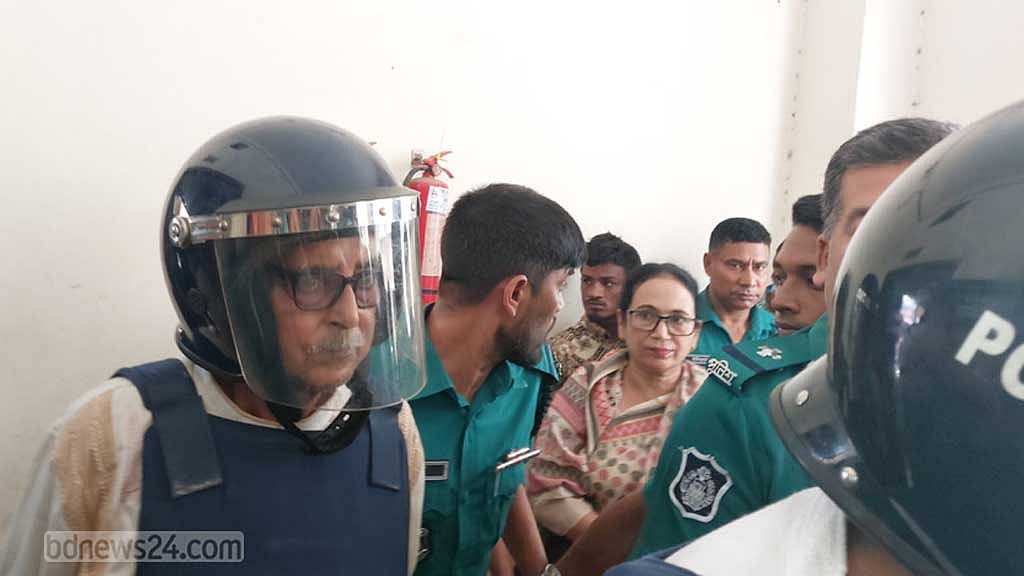
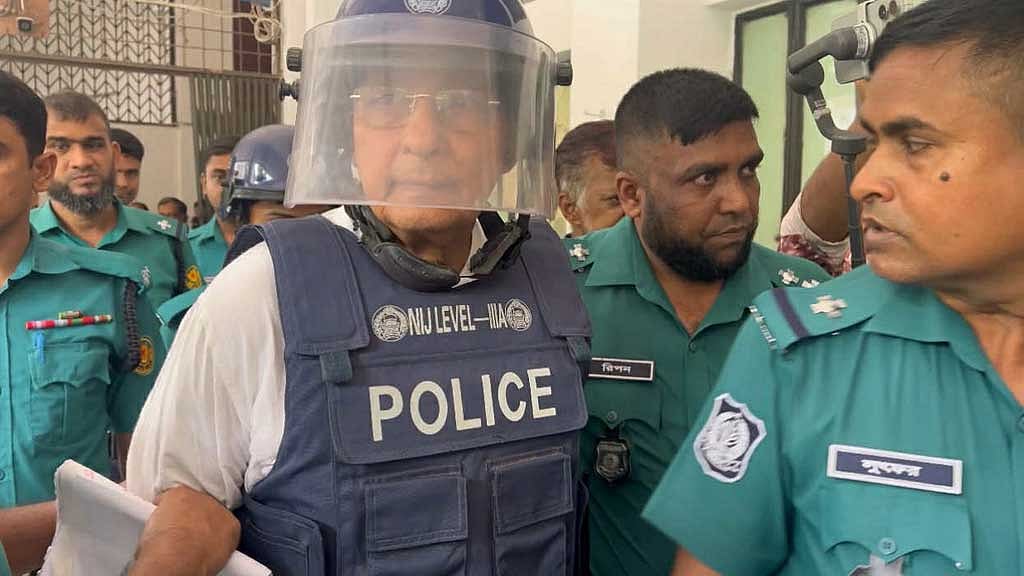
The Alliance’s Convenor Amir Hossain Amu, a senior Awami League leader, is in prison. Several of its key figures, Rashed Khan Menon of the Workers Party and Hasanul Haq Inu of JaSaD, are also detained in jail pending trial. Both had served as ministers under Hasina.
Interim reform processes have deliberately excluded Awami League’s partners. Even the Jatiya Party, initially invited to talks on an interim government, was later dropped after strong objections from leaders of the Student Against Discrimination who had led the Uprising.
“Since the 5th of August (2024), the 14-Party has been defunct. As it’s inactive, there is no need to dwell on it now. And nothing can yet be said about its future,” admitted Sheikh Shahidul Islam, the party's general secretary.
Over the past year, most alliance partners have been unable to hold meaningful programmes. A handful of commemorations and small internal gatherings aside, they have been absent from political life.
At the Workers Party’s headquarters on Topkhana Road in Dhaka, activists gather in small groups. With Menon in jail and General Secretary Fazle Hossain Badsha in hiding, the party is run by acting leaders.
“We continue with necessary meetings and programmes under acting leadership,” said Acting General Secretary Noor Ahmad Bokul.
“But since the 5th of August, the alliance has had no activities. Its future, and ours, is uncertain.”
At JaSaD’s office in Gulistan, only mid-ranking leaders and office staff are seen.
“We are limited to day-based programmes and supporting our jailed President Inu bhai,” said Office Secretary Sajjad Hossain.
A National Awami Party (NAP-Muzaffar) leader was even more blunt.
“We are barely surviving. Political space is shrinking. It doesn’t look like conditions will turn favourable soon,” he said, requesting anonymity.
UNDER SIEGE
The Jatiya Party itself faces the sharpest pressure. Once a coalition partner in government and the official opposition in parliament, it has been battered since Hasina’s fall.
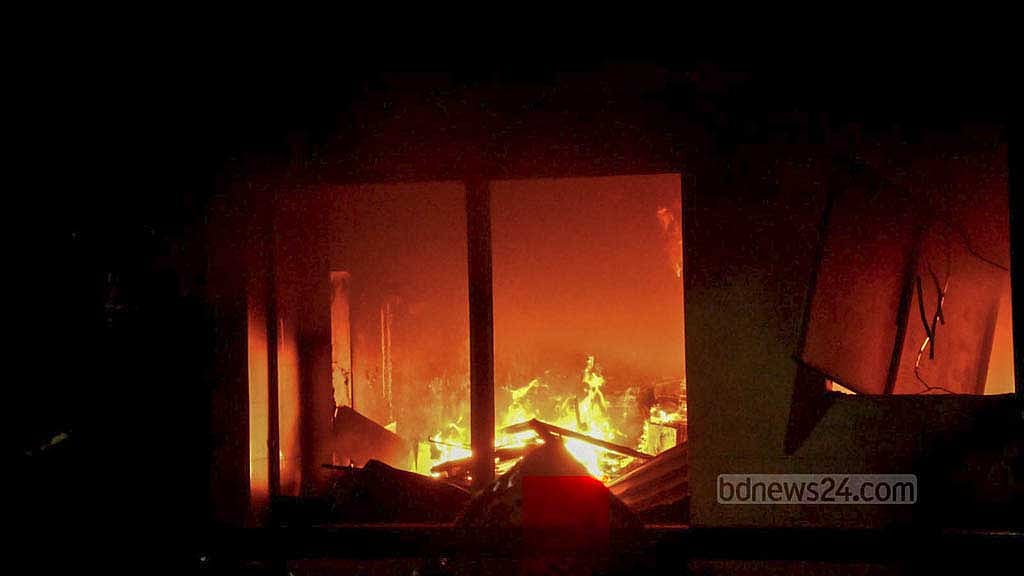
In October 2024, its central office in the capital’s Bijoynagar was attacked and set on fire. In 2025, “mobs” targeted party chief GM Quader’s house in Rangpur, and the office was attacked again on Aug 30 and Sept 5 by Gono Odhikar Parishad activists.
At the time, the Gono Odhikar Parishad demanded that the Jatiya Party and Awami League allies be banned outright as “collaborators of dictatorship”. Its General Secretary Md Rashed Khan petitioned the Election Commission to cancel their registrations, even served legal notices branding them “terrorist organisations”.
Senior Jatiya Party leaders admit morale is shaken.
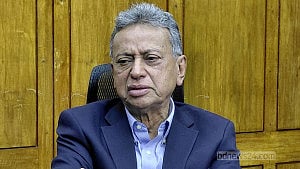
“We’ve been labelled collaborators or tame opposition,” said Secretary General Shameem Haider Patwary, but he rejected the stigma.
“The BNP held a one-sided election on the 15th of February (in 1996) and no one boycotted them afterwards. Why are we branded as collaborators after 2024? We are not anyone’s stooges. We took part in elections, that is our right,” he said.

Highlighting that no one barred the Jatiya Party from contesting the election following the 1990 mass uprising, the former MP said: “Even in 1991, no one banned us, nor were such allegations made. No one branded us as accomplices.”
He added: “Yes, opponents have called us collaborators. But in parliament, in press conferences, in talk shows, we protested the Awami League's repression. We are not their cronies. Calling us names is not political etiquette. If inclusive politics is the goal, everyone must be allowed to contest.”
HISTORY OF THE ALLIANCE
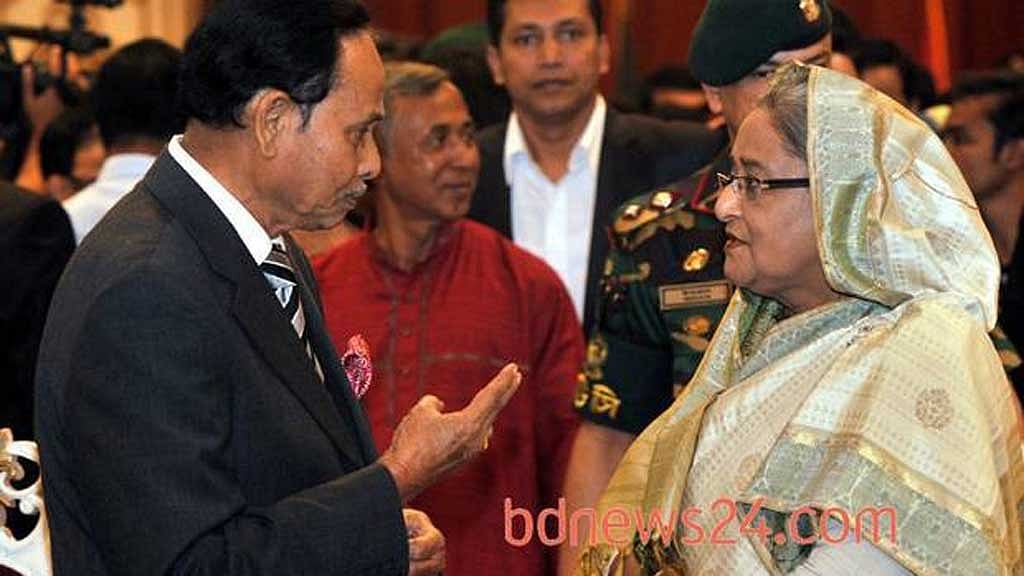
Launched under the ideals of “Liberation War, democracy, and secularism”, the alliance that scattered in the face of the mass uprising includes not only the Awami League, Workers Party, JaSaD, Jatiya Party , and NAP (Mozaffar), but also the Ganatantri Party, Samyabadi Dal (Dilip Barua), Tariqat Federation, Communist Centre, Gana Azadi League, Democratic Workers Party, and BaSaD (Rezaur Rashid).
In other words, though described as a 14-party alliance, it actually consists of 12 parties.
After a fierce movement against the BNP and Jamaat-e-Islami coalition government and a series of dramatic events, the Grand Alliance -- comprising the 14-party coalition and the Jatiya Party -- swept to power in 2008 under the Army-controlled caretaker government.
The Grand Alliance swept the 2008 election with 262 seats, establishing Hasina’s three-term dominance.
But by 2018 and 2024, the Awami League largely sidelined its allies, giving them few seats or roles. In the 2024 election, only two alliance candidates outside the Awami League won, Menon and JaSaD’s AKM Rezaul Karim.
The alliance that once symbolised unity against BNP-Jamaat rule was already fraying before the Uprising.
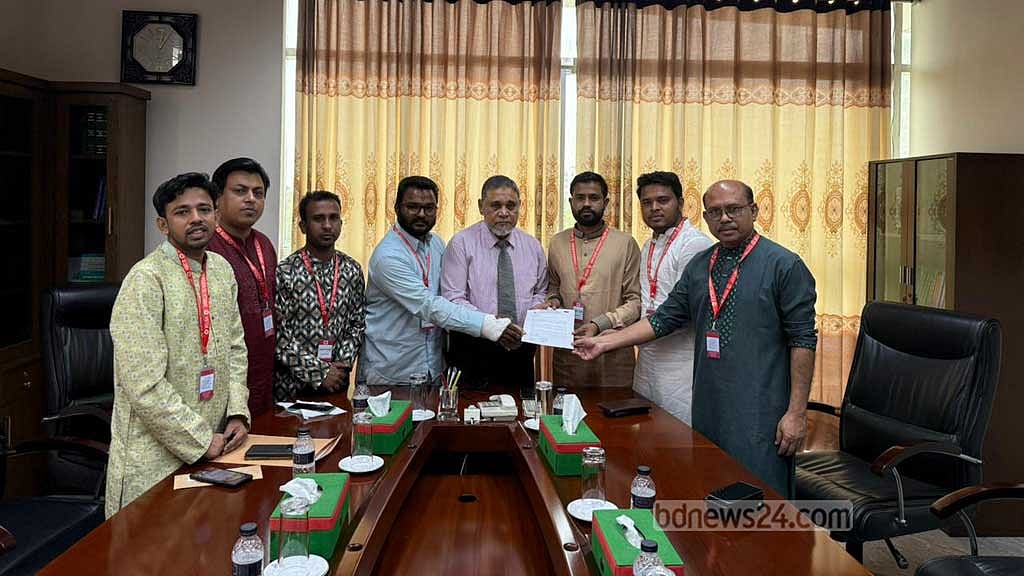
The Jatiya Party has fractured repeatedly since the death of founder Hussain Muhammad Ershad. GM Quader’s faction dominates but faces rivals. In August, senior leader Anisul Islam Mahmud led a splinter conference. Followers of Ershad’s widow, Raushon Ershad, have also regrouped.
Since the July Uprising that cost him control of his party, former minister and leader of the Samyabadi Dal (Marxist-Leninist) Dilip has not been seen in public.
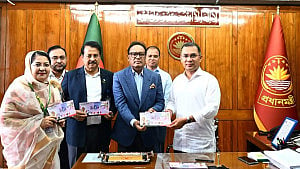
However, on Aug 13, a delegation from his party met with the chief election commissioner. After the meeting at the Nirbachan Bhaban, or Election building in Agargaon, Harun Chowdhury introduced himself to journalists as the president of the Samyabadi Dal (M-L).
“There has been a change in our party,” he said. “Previously, we followed a secretariat system, where the secretary and politburo held authority. But after our conference on the 7th of February, we reinstated the system of president and secretaryship.”
bdnews24.com could not reach Dilip for comment.
Harun said they are preparing for the election, but admitted they do not know the whereabouts of Dilip, the party’s “former general secretary,” who has become controversial for various reasons.
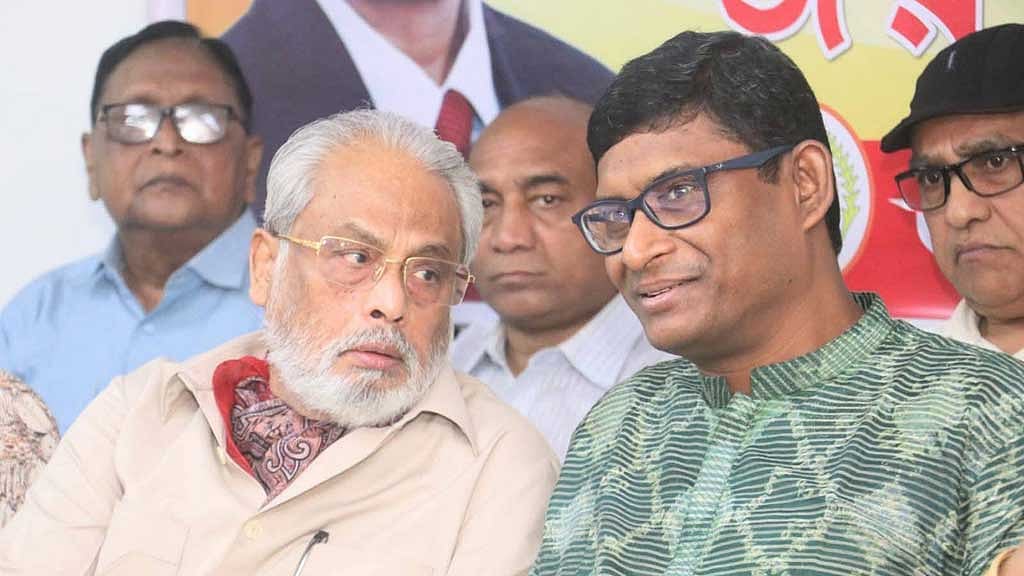
He added that the Election Commission has been formally notified about the leadership change in February along with the updated committee.
The party is registered under number 3, with the symbol of a wheel.
A FADING FORCE
For over a decade, the Jatiya Party and 14-Party Alliance shaped Bangladeshi politics, whether in government or opposition. Today, they face existential threats: bans, internal feuds, the hostility of new reformist forces, and the stigma of association with Hasina’s fallen regime.
“We are barely relevant,” admitted one ally. “If this continues, our parties may disappear altogether.”
The question now: will the Jatiya Party and the 14-Party Alliance reinvent themselves in time for elections -- or fade into history as relics of the Hasina era?